 The Prep Bible.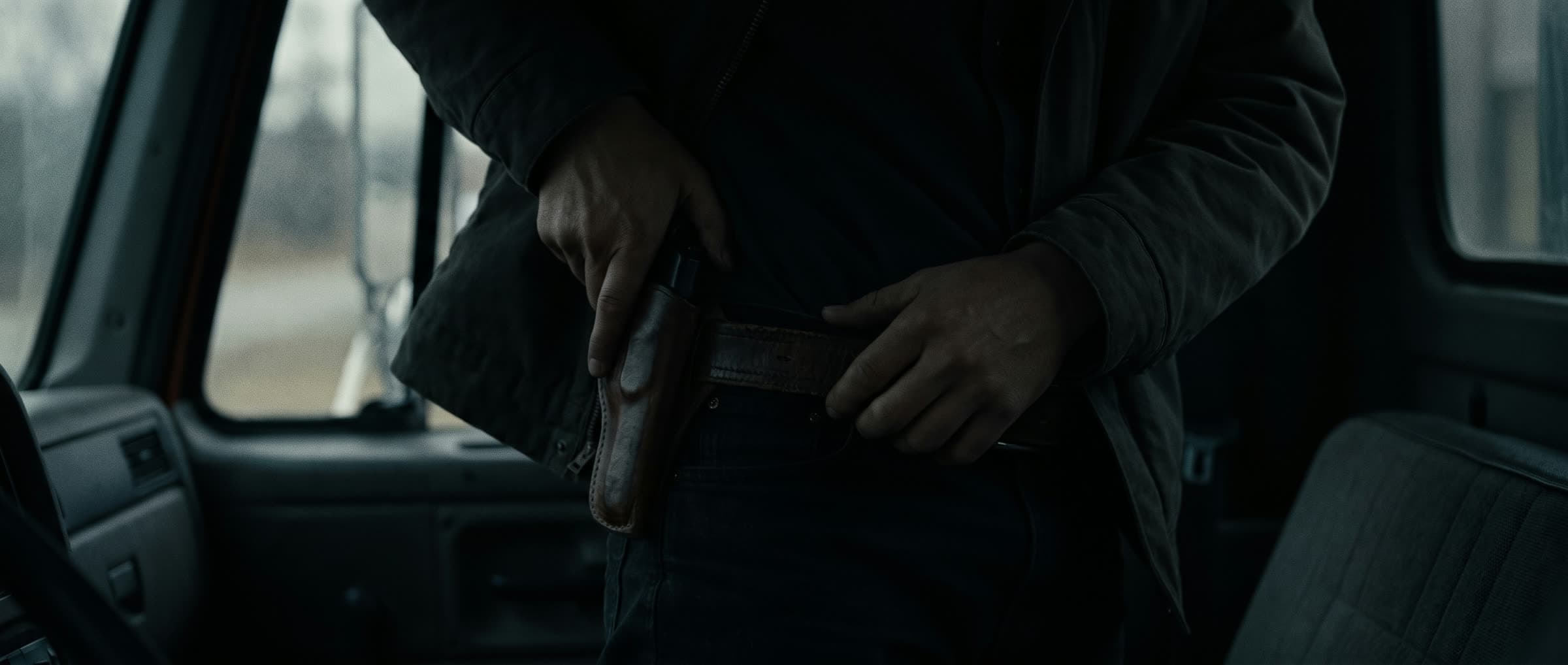
Retention level and material matter more than most first-time buyers realize. Kydex and other rigid polymers hold their molded shape and give a consistent, audible click on reholster - good for range use and everyday carry where a fast, repeatable draw matters. Leather breaks in to the gun over time and rides quieter against the body, but retention can loosen with wear and heat. Inside-the-waistband (IWB) holsters conceal better and sit closer to the body; outside-the-waistband (OWB) is faster to draw and more comfortable for long days at the range but harder to hide under a shirt.
Fit is gun-specific, not just caliber-specific - a holster molded for a Glock 19 won't safely fit a Glock 19 with a red dot or weapon light attached, since the extra height changes the trigger guard clearance. Always buy a holster listed for your exact model and any accessories mounted to it. A good gun belt matters as much as the holster itself; a flimsy belt lets any holster sag and shift through the day. Cant - the forward or backward tilt - is a personal preference worth trying before you commit to one setup.
Common questions
What's the difference between IWB and OWB holsters?
IWB (inside-the-waistband) rides inside your pants against your body, offering better concealment but a tighter, sometimes less comfortable fit. OWB (outside-the-waistband) sits on your belt outside your clothing - more comfortable for extended wear and a faster draw, but much harder to conceal under regular clothing.
Is open carry or concealed carry legal in my state?
Carry laws vary significantly by state and even by locality, covering permits, open vs. concealed carry, and where firearms are prohibited. This isn't legal advice - check your state attorney general's office or a local law enforcement resource before carrying, and again before traveling across state lines with a firearm.
Do I need a holster that fits my red dot or light?
Yes. Adding a red dot sight or weapon light changes the gun's height and sometimes its width, and a standard holster molded for the bare gun usually won't accommodate it - or worse, won't fully cover the trigger guard. Buy a holster specifically listed as compatible with your exact gun-plus-accessory combination.
How do I know what retention level I need?
Retention level (often labeled Level I, II, III) describes how many separate actions are needed to draw the gun - a thumb-break strap, a locking hood, and so on. Range and everyday carry holsters often use passive friction-fit retention; duty and higher-risk carry situations often call for active retention with a manual release.