 The Prep Bible.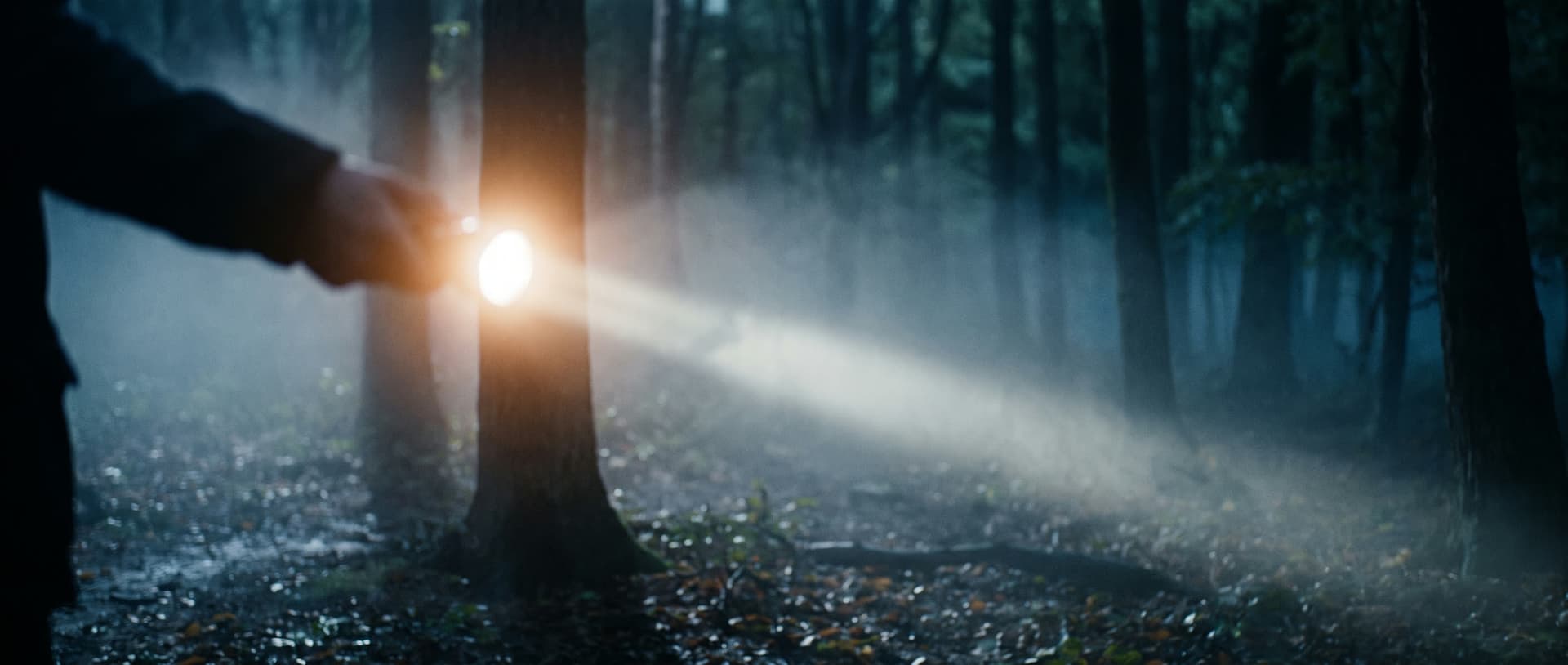
Lumens measure total light output, while candela measures beam intensity and throw distance - a light with fewer lumens but higher candela can actually reach farther than a higher-lumen light with a wide, diffuse beam. For home defense and close-quarters use, a wider flood beam helps with situational awareness; for outdoor and field use where you need to identify something at distance, a focused, high-candela beam throws farther. Weapon lights are built for recoil resistance and quick-access activation (tape switch or pressure pad), while handheld flashlights prioritize battery life and beam versatility for everyday carry.
Mounting compatibility matters as much with lights as with optics - check your rail type and available real estate before buying a weapon light, since many mount options are gun- or rail-specific. Rechargeable lithium-ion cells offer more runtime per charge and lower cost over time, while disposable CR123A or AA batteries are more widely available in an emergency and don't fail if left uncharged too long. A strobe setting can disorient a threat at close range, but it's a feature worth practicing with beforehand rather than discovering under stress.
Common questions
What's the difference between lumens and candela?
Lumens measure total light output in all directions, while candela measures the intensity of the beam's brightest point - essentially how far it throws. A high-lumen, wide-beam light lights up a room; a high-candela, focused-beam light reaches much farther but illuminates a narrower area. Both numbers matter depending on your use case.
Is it legal to mount a light on my firearm?
In most places, yes, but rules on weapon-mounted lights (and especially lasers) can vary by state and by use case, such as hunting regulations that restrict lights while pursuing game at night. This isn't legal advice - check your state's hunting and firearm regulations before mounting a light for a specific use.
Rechargeable or disposable batteries for a weapon light?
Rechargeable lithium-ion cells are cheaper over time and offer strong runtime, but they need to be charged and can degrade with age if left uncharged too long. Disposable CR123A batteries store for years on the shelf and are more predictable in an emergency, which is why many home-defense setups favor them despite the higher per-use cost.
How many lumens do I need for a weapon light?
For home defense inside typical room distances, 300-600 lumens is usually plenty to disorient and identify a threat without excessive glare bounce-back in a small space. Outdoor or field use at distance benefits from higher output and a focused beam. More lumens isn't always better indoors - bounce-back off close walls can blind you too.