 The Prep Bible.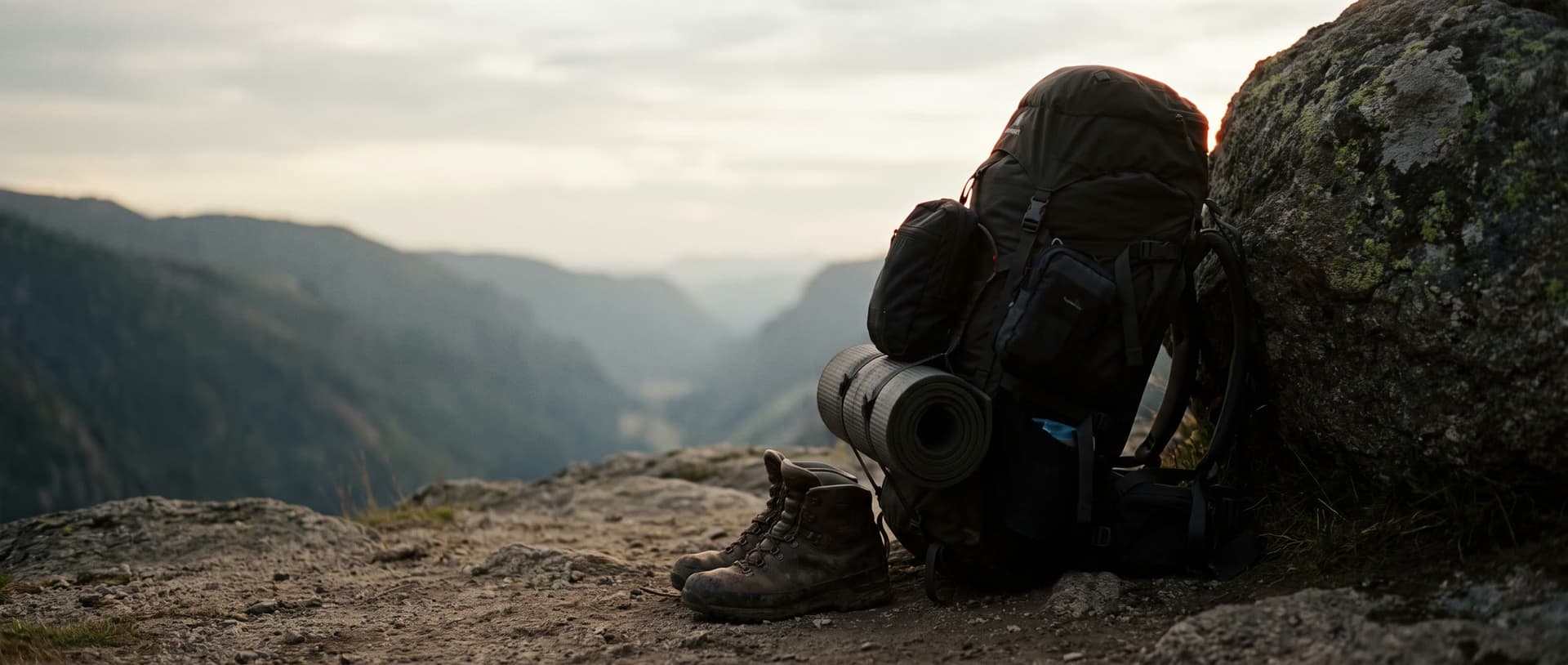
Field gear covers everything from packs and pouches to multitools and camp essentials, and the common thread across all of it is a tradeoff between weight and durability. Ultralight materials (ripstop nylon, aluminum) save pack weight but wear faster and puncture or bend more easily under hard use; heavier-duty materials (ballistic nylon, steel) last longer and handle abuse but add pounds you carry all day. Modular systems - MOLLE webbing, PALS-compatible pouches - let you reconfigure a pack or belt as your needs change, which is worth prioritizing over a fixed, non-adaptable layout if you expect to add gear over time.
Weather resistance ratings aren't all equal - water-resistant coatings shed light rain but soak through in sustained exposure, while a genuinely waterproof roll-top bag or dry bag keeps contents dry through submersion. Multitools trade breadth for depth: more tools packed into one unit means each individual tool (pliers, blade, driver) is more compact and less capable than a dedicated standalone version. Buy field gear for the conditions you actually operate in most often, not the worst-case scenario you might rarely face - it keeps pack weight reasonable and your kit something you'll actually carry.
Common questions
What's the difference between water-resistant and waterproof gear?
Water-resistant gear (often a DWR coating on fabric) sheds light rain and splashes for a limited time before soaking through. Waterproof gear uses sealed seams, roll-top closures, or fully laminated material to keep contents dry even during submersion or sustained heavy rain. Check the specific rating rather than assuming from the word "resistant" alone.
Is MOLLE webbing compatible with all pouches?
Most MOLLE (Modular Lightweight Load-carrying Equipment) and PALS-compatible pouches are cross-compatible across brands since they follow the same webbing spacing standard, but always confirm a pouch is listed as MOLLE/PALS compatible rather than a proprietary attachment system before buying to fill out an existing rig.
How many tools should a multitool have?
More tools packed into one multitool usually means each tool is smaller and less capable on its own - a 20-plus tool multitool is convenient but the pliers and blade won't match a dedicated tool's leverage or edge. For frequent, heavy use of one function, a standalone tool often outperforms the equivalent built into a multitool.
What pack size do I need for a day trip versus multi-day?
A day pack in the 20-35 liter range typically covers water, layers, and basic gear for a single-day outing. Multi-day trips generally call for 45-65+ liters to fit a sleeping system, extra food, and clothing changes. Actual need depends on season and how much shared gear you're carrying versus solo.