 The Prep Bible.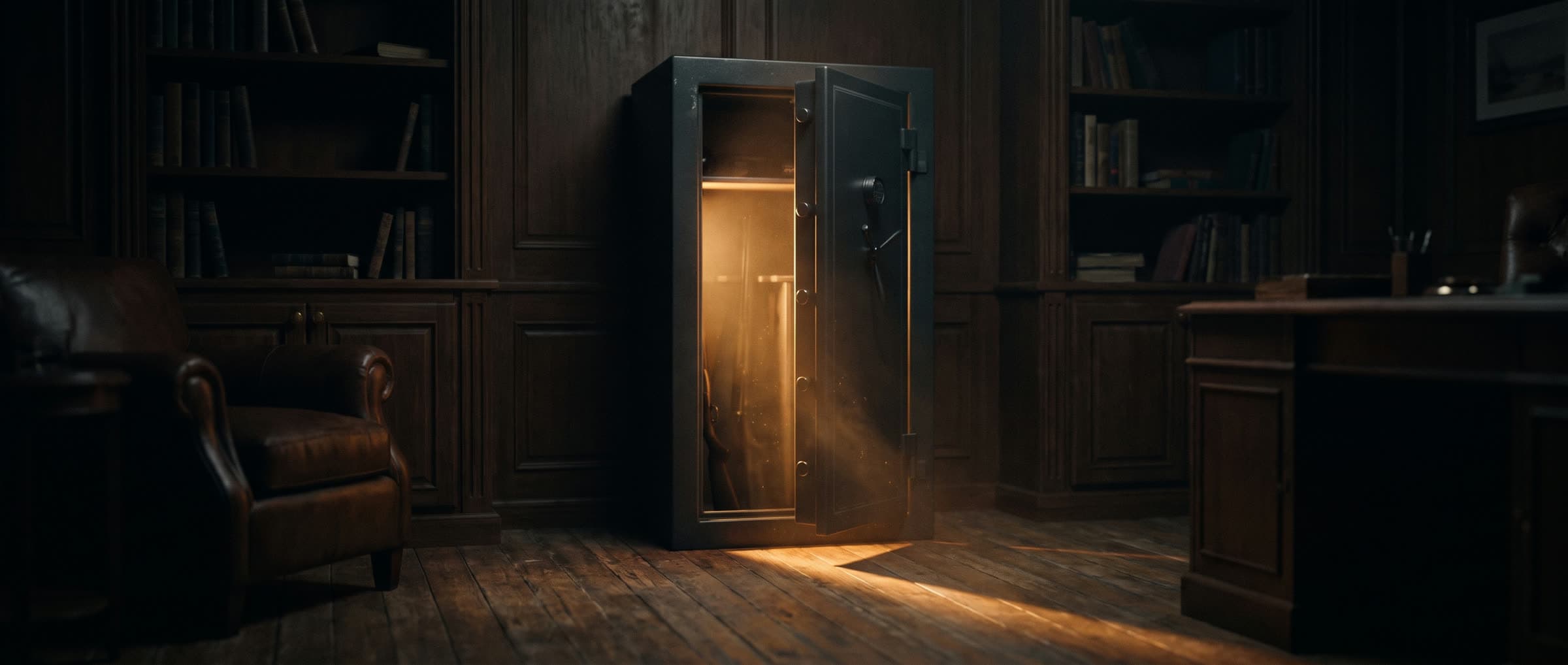
Cases, vaults, and safes solve different problems, and picking the wrong one for your situation is a common mistake. A hard case is for transport - protecting the gun from impact in a vehicle or on a trip, not securing it against theft. A quick-access vault (biometric or keypad) is built for fast retrieval of a single gun for home defense, trading some security for speed. A full gun safe is rated for both theft resistance and, in many cases, fire protection, and is the right call for storing a collection or complying with state safe-storage requirements.
If you're flying with a firearm, it must be in a hard-sided, locked case declared to the airline - a soft range bag doesn't meet TSA requirements. Lock types vary: key locks are simple and reliable, combination dials are theft-resistant but slower under stress, and electronic keypads or biometric readers are fastest but depend on battery power. Safe-storage laws - including requirements around storing firearms unloaded, locked, or separate from ammunition - vary by state, so check your local requirements, especially if children may be in the home.
Common questions
What's the difference between a gun safe and a quick-access vault?
A full gun safe is built for theft and often fire resistance, typically holding multiple firearms and taking longer to open by design. A quick-access vault holds one or two guns and is built for fast retrieval - biometric or keypad entry in seconds - prioritizing speed for home defense over maximum security.
Can I fly with a firearm in checked luggage?
Generally yes, if it's unloaded, in a locked hard-sided case, and declared to the airline at check-in - ammunition typically has its own packaging rules. Requirements vary by airline and destination, including state and international laws at your arrival point, so confirm current rules with your airline and destination before you travel.
Am I legally required to store my firearms locked up?
Safe-storage requirements - whether firearms must be stored unloaded, locked, or separated from ammunition, especially around minors - vary by state and locality. This isn't legal advice; check your state's specific statutes, and note that many liability and insurance considerations favor secure storage even where it isn't strictly mandated.
How do I know if a safe is actually fireproof?
Look for an independent fire rating (time and temperature, such as 30 minutes at 1200°F) from the manufacturer rather than marketing language alone. Fire-rated safes use insulating material in the walls and door that adds weight and cost - a heavier safe with a stated fire rating is a reasonable signal, but the certification itself is what to verify.