 The Prep Bible.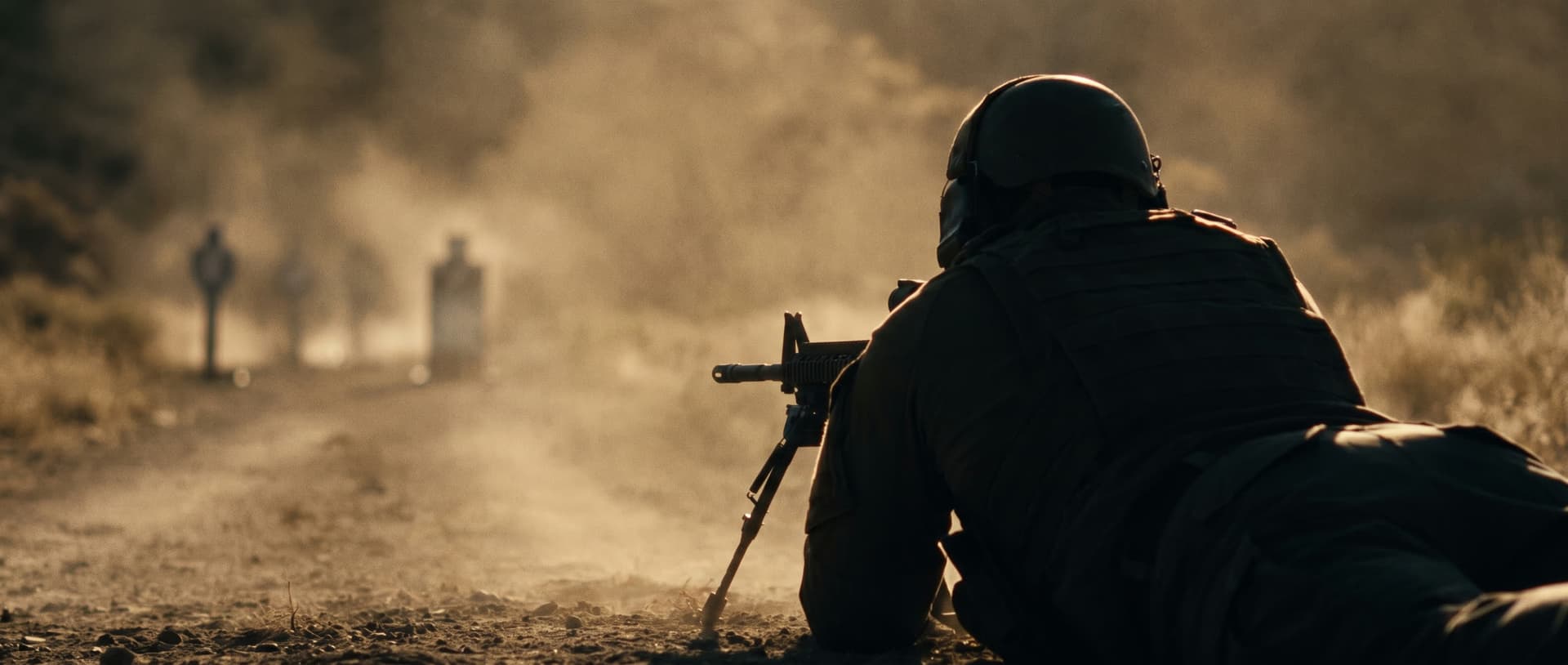
A bipod's mounting system needs to match your rifle before anything else - Picatinny rail, sling-stud, or ARCA plate are not interchangeable, so check what your stock or handguard actually has before ordering. Leg length matters for the position you shoot from most: shorter legs suit prone shooting off a bench or the ground, while taller, extendable legs let you shoot from a seated or kneeling position over brush. Slings serve two different jobs - a simple two-point sling is for carry and quick shouldering, while a shooting sling adds tension for stabilized field-position shooting.
Targets aren't one-size-fits-all either: paper targets are cheap and good for zeroing and grouping, steel targets give instant audible feedback for practice at speed but need proper spacing and backstop distance for safety, and reactive targets are mostly for fun at closer range. A padded rest or bag under the forend takes far more wobble out of a group than most shooters expect, especially when zeroing a new optic. Buy rests and bags sized to your stock's width and shape, not just your caliber.
Common questions
What's the difference between a bipod and a shooting rest?
A bipod attaches directly to the rifle (usually via rail, stud, or ARCA plate) and folds away when not needed, making it portable for field use. A shooting rest is a separate stand or bag system you shoot off of, typically used at a bench or fixed position - more stable, but not something you carry with the rifle.
How far away should I set up steel targets?
Minimum safe distances depend on caliber, target hardness, and angle, but many steel target makers recommend at least 100 yards for centerfire rifle and 10 yards for pistol, with more distance for magnum loads. Always follow the manufacturer's stated minimum distance for your specific target and ammunition, and never shoot steel at a flat, head-on angle.
What's the difference between a two-point and three-point sling?
A two-point sling attaches at two points on the rifle and is best for general carry and quick transitions to firing position. A three-point sling loops around the body and rifle for a more stable carry and retention in close-quarters use, but it's bulkier and slower to adjust than a simple two-point setup.
Do I need a bipod if I already have a bag rest?
Not necessarily - they solve similar problems differently. A bipod travels with the rifle for field and prone shooting away from a bench, while a bag rest is better suited to a fixed bench position and often gives a steadier hold. Many shooters use both depending on where they're set up.